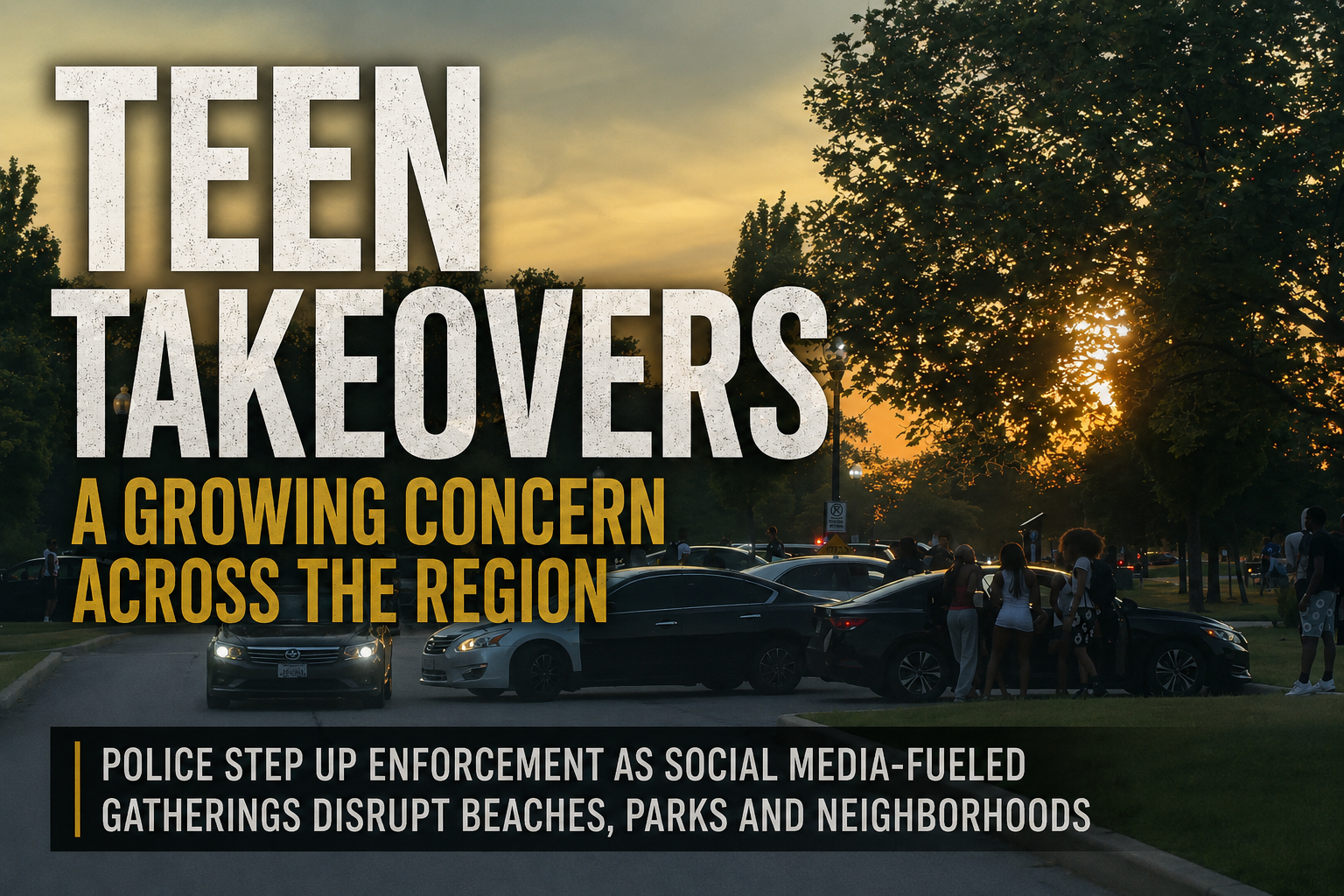
As communities across the country grapple with the growing trend of so called “teen takeovers,” local law enforcement agencies in Northwest Indiana are taking steps to prevent disturbances before they escalate.
The gatherings, often organized through social media, have drawn hundreds of teenagers to beaches, parks, shopping districts, and other public spaces. While many participants arrive intending to socialize, police agencies nationwide report that some events have devolved into fights, vandalism, littering, underage drinking, smoking, traffic disruptions, and property damage. In several cities, officials have responded with increased police patrols, curfews, social media monitoring, vehicle towing, and stricter enforcement of local ordinances.
Here in Northwest Indiana, Gary Police have been dealing with the issue firsthand. Over the past two weekends, officers have towed dozens of vehicles from beach areas and issued numerous citations ranging from parking violations to moving traffic offenses. In La Porte County, police confiscated 3 firearms off teens during a takeover. Police say enforcement efforts are focused on maintaining public safety and ensuring public spaces remain accessible to families and visitors.
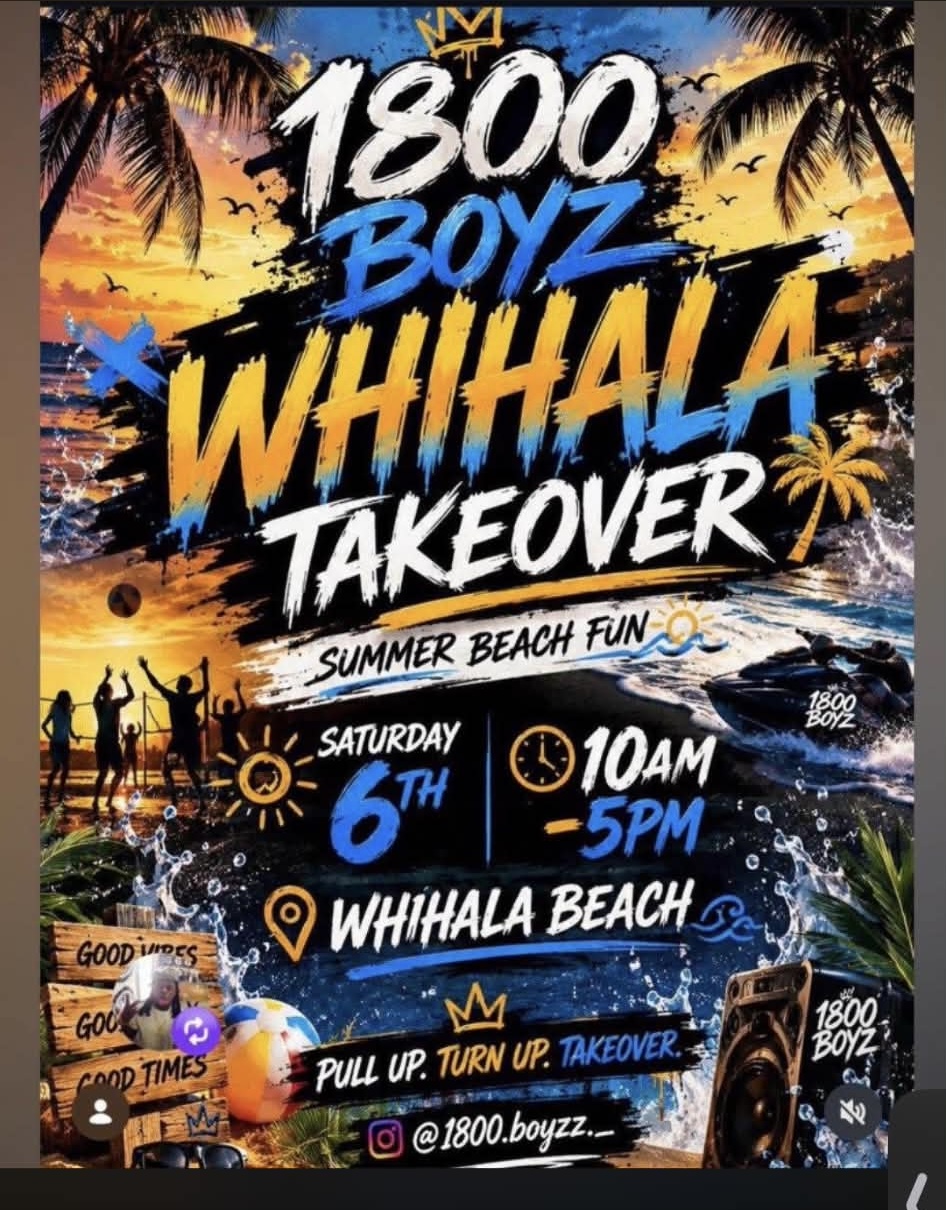
Whiting officials dealt with one takeover two weekends ago which resulted in numerous agencies assisting to remove the teens from the park. Having all those resources tied up then takes away from other areas of the city leaving emergency calls pending. The next weekend Whiting closed Whihala Beach after police learned of another planned takeover.
According to law enforcement sources, much of what is being discussed on social media does not accurately reflect what officers are encountering on the ground. Rather than organized criminal activity, police say the primary issues involve large crowds gathering after park closing times, traffic congestion, vandalism, littering, smoking, alcohol use, and other quality-of-life concerns that create safety issues for beachgoers and nearby residents.
One issue drawing particular concern is parental involvement. Police note that many juveniles are being dropped off at beaches and parks shortly before closing time despite widespread awareness that many beach facilities close around 8 p.m. Once those facilities close, officers are left managing large crowds that remain on the property after hours.

The financial consequences can also be significant. Vehicle owners may face towing fees, storage costs, parking citations, and traffic tickets. In some cases, social media videos have shown participants dancing on top of vehicles, causing damage that ultimately becomes the responsibility of the vehicle owner and their family.
The issue is far from unique to Northwest Indiana. Cities including Chicago, Washington D.C., Rochester, Long Branch, and several Florida beach communities have increased enforcement efforts following similar gatherings. Some jurisdictions have adopted special curfew zones, expanded police deployments, increased security, and enhanced social media monitoring to identify planned events before they occur.
At the same time, some community leaders argue enforcement alone is not enough. Youth advocates across the country have pointed to a lack of safe gathering places and recreational opportunities for teenagers, encouraging cities to invest in organized activities and supervised events alongside enforcement efforts.
As summer begins and additional takeover-style events are advertised online throughout the Region, including planned gatherings in several Northwest Indiana communities, law enforcement agencies are expected to continue closely monitoring activity while emphasizing that parents play a critical role in knowing where their children are and what events they are attending.
The broader question facing communities remains whether tougher enforcement, expanded youth programming, or a combination of both will be the most effective way to keep public spaces safe while still giving teenagers places to gather responsibly.